One institution · Multiple centres of excellence · One strategic purpose

The intelligence layer that makes the institution executable.
The website is the interface. Beneath it, a digital operating system converts every approved objective into a measurable account, opportunity, action, decision, delivery, installed base and lifecycle record.
AI architecture
Six layers between data and decision
AI is not bolted on. It sits inside a governed stack: source-controlled data, retrieval and knowledge graph, model layer, evidence and confidence metadata, workflow orchestration, and explicit human approval gates.
Source-controlled data
Approved plans, records and documents enter as versioned sources. Unsupported facts remain TO VERIFY.
Retrieval & knowledge graph
Linked institutional memory across chapters, annexures, capability records, products and evidence.
Model layer
Task-specific models for engineering, commercial, risk, supplier, cyber and lifecycle intelligence.
Evidence & confidence
Every output exposes source, version, confidence and verification status as first-class data.
Workflow orchestration
Deterministic routing, calculations, document generation, reminders and dashboards at enterprise scale.
Human approval gates
Accountability, approval, legal interpretation, negotiation and high-risk action remain with authorised people.
Human control rule
AI recommendations are presented as decision support. The target state is 100% digitally orchestrated, not 100% human-free: deterministic routing, calculations, evidence checks, document generation, reminders, dashboards and audit are automated, while accountable decisions remain human-controlled.
AI capability pages
Twelve intelligence capabilities
Open any capability to see what it does, what data it depends on, and where the human approval gate sits.
Select to expand
Digital Trust
SOC-as-a-Service with SIEM at the core
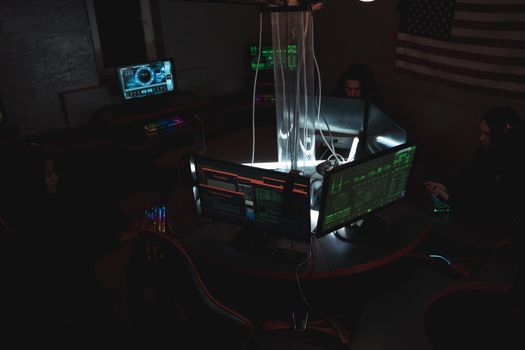
Digital Trust is a public proposition with a controlled operating model behind it. The website explains the security lifecycle without exposing sensitive operational information.
- SOC-as-a-Service overview
- SIEM as the security event correlation layer
- Threat intelligence and vulnerability management
- Incident response and compliance reporting
- Security analytics and trust principles
Step 01 · Asset visibility
Controlled inventory of monitored assets and status
Every monitored asset is registered with owner, criticality, exposure and current status. Assets outside the inventory are treated as unmanaged risk.
Portal & control tower
Sixteen portal areas, five experience layers
The portal ceases to behave like a conventional corporate website. It becomes a controlled enterprise execution environment in which every objective becomes a measurable record.
01
Command Centre
02
Strategy
03
Market Intelligence
04
Accounts
05
Opportunities
06
Products
07
Suppliers / Principals
08
Pricing
09
Proposals / Contracts
10
Fulfilment
11
Installed Base
12
Manufacturing
13
Academy
14
Actions
15
Governance
16
Data / Evidence
Executive dashboard tiles
Commercial
Revenue, pipeline, win rate, account growth, recurring revenue
Customer
Accounts, LTV, LTV/CAC, NRR, products per account, expansion
Operations
Orders, on-time delivery, backlog, project variance
Supply
Lead time, quality, concentration, alternative-source readiness
AI
AI opportunities, AI-generated revenue, proposal turnaround, risk alerts
Governance
Pending approvals, exceptions, evidence expiry, audit items
Security and financial domains complete the eight dashboard families. Every KPI carries a definition, owner, source system, frequency, target, actual, variance, threshold and linked action.
Digital commercial chain · minimum record fields
- Business PlanObjective, target, owner, period, evidence, status
- AccountCustomer, segment, stakeholders, strategy, outcomes
- ODS OpportunityProblem, diagnosis, value hypothesis, qualification, gate
- ProductFamily, specification, supplier, evidence, status
- PricingCost, price layers, margin, terms, approvals
- ProposalScope, solution, price, risk, assumptions, evidence
- OrderPO / contract, milestones, commercial status
- Installed BaseAsset, location, warranty, service, lifecycle
- LifecycleAMC / FMC / service / upgrade / replacement / cross-sell
What can I do next
Discuss an AI, digital trust or operating-system requirement.
Requirements are scoped against data readiness, evidence obligations and the human approval model before any architecture is proposed.